Trending Outdoor Survival Skills
There’s a quiet shift happening in how people travel and explore the world today. No longer satisfied with curated experiences, more individuals are stepping into raw, untamed environments, seeking something real, something unpredictable. The wilderness is no longer just a destination; it becomes a testing ground where instinct, awareness, and preparation collide in ways that feel both challenging and deeply rewarding.
In that evolving landscape, outdoor survival skills are no longer optional knowledge reserved for experts, they are becoming essential tools for anyone who wants to explore safely and confidently. This growing awareness reflects a deeper need to reconnect with nature while staying prepared for unexpected situations, whether during remote travel, hiking expeditions, or off-grid adventures.
Most Popular Outdoor Survival Skills Today
As more people venture into nature, understanding what truly matters in survival becomes increasingly important. The rise of survival skill trends shows how modern explorers are blending traditional knowledge with practical, real-world applications that actually work when it counts.
The wilderness doesn’t give second chances. That’s why focusing on essential, proven skills can make the difference between discomfort and danger, or confidence and control.
Fire Starting Techniques
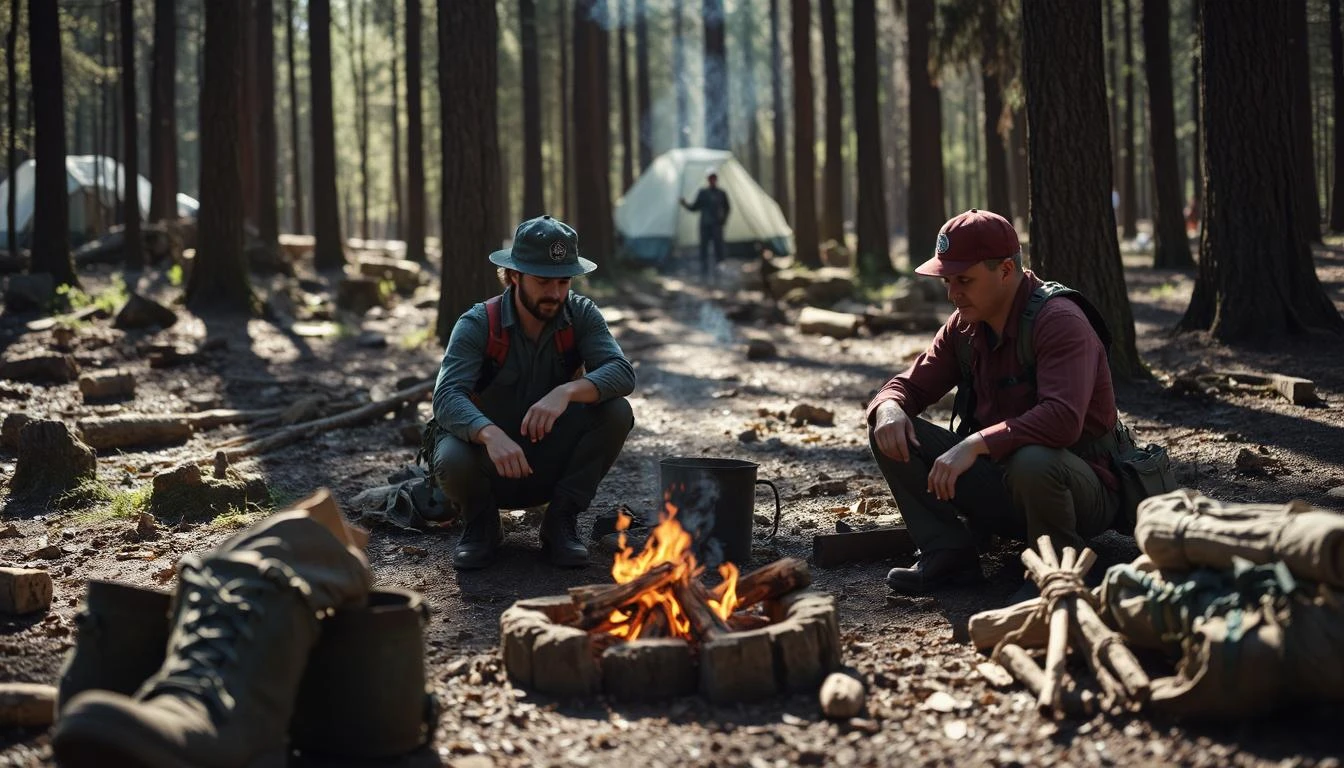
Fire remains one of the most fundamental elements of survival. It provides warmth, protection, and the ability to cook food or purify water. Today’s techniques range from traditional methods like bow drills to modern tools such as ferro rods and waterproof lighters.
What makes this skill powerful is not just knowing how to start a fire, but understanding the environment, identifying dry tinder, managing airflow, and adapting in wet conditions. As survival instructor Dave Canterbury once said, “The more you know about fire, the less you fear the cold.” That insight highlights how knowledge transforms a simple spark into a reliable survival system.
Shelter Building Basics
Without proper shelter, even mild weather can quickly become dangerous. Learning how to build effective protection using natural materials like branches, leaves, or terrain features is a critical skill.
Modern travelers often combine lightweight gear with natural techniques, creating shelters that are both efficient and adaptable. Whether it’s a lean-to or a debris hut, the goal is simple: stay dry, retain heat, and reduce exposure.
Finding Safe Water Sources
Water is the most urgent survival priority after shelter. Knowing how to locate, collect, and purify water is essential in any outdoor setting.
Today’s approach goes beyond just finding streams. It includes understanding filtration systems, boiling methods, and even collecting rainwater. According to wilderness medicine expert Dr. Paul Auerbach, “Dehydration impairs judgment faster than hunger ever will,” reinforcing how critical water management is in survival situations.
Why Survival Skills Are Becoming Popular
There’s a clear reason why more people are paying attention to survival knowledge, it’s not just about adventure anymore, it’s about awareness. The world feels less predictable, and people are adapting by becoming more self-reliant.
This shift is shaping how individuals approach travel, outdoor activities, and even everyday preparedness.
Growth of Outdoor Adventure Culture
Outdoor travel has transformed into a global lifestyle. Hiking remote trails, camping in isolated areas, and exploring untouched landscapes have become more appealing than crowded tourist spots.
With that shift comes responsibility. People are realizing that enjoying nature also means understanding how to navigate and survive within it.
Social Media Survival Trends
Digital platforms have played a huge role in amplifying survival knowledge. Short videos and tutorials make skills look accessible, sparking curiosity and encouraging people to learn more.
However, real mastery goes beyond what’s seen on screen, it requires practice, patience, and real-world experience.
Interest in Emergency Preparedness
Recent global events have made one thing clear: being unprepared is no longer an option. More individuals are learning survival basics not out of fear, but as a proactive step toward resilience.
That mindset shift is what’s driving the growing interest in survival education today.
Practical Ways To Improve Survival Skills
Knowing about survival is one thing, being able to apply it is another. The real value comes from consistent practice and hands-on experience.
If you’re serious about improving, it starts with taking small, intentional steps that build confidence over time.
Outdoor Training Programs
Joining structured training programs can fast-track your learning. These courses provide direct guidance, practical scenarios, and expert insights that are difficult to gain alone.
They also expose you to real challenges in controlled environments, helping you develop both skill and mindset.
Practicing Navigation Techniques
Modern technology is convenient, but it’s not always reliable. Learning how to read maps, use a compass, and navigate using natural cues like the sun or stars builds true independence.
It’s a skill that not only improves safety but also deepens your connection with the environment.
Learning First Aid Essentials
In remote areas, immediate medical help isn’t always available. That’s why understanding basic first aid becomes crucial.
From treating minor injuries to responding to emergencies, this knowledge can make a significant difference when it matters most.
Master Trending Outdoor Survival Skills And Be Prepared Anywhere
At some point, every traveler reaches a moment where preparation either supports them, or fails them. That’s where mastering outdoor survival skills becomes more than just useful; it becomes empowering.
When you know how to adapt, build, find, and respond, the outdoors stops feeling unpredictable and starts feeling like a space you can navigate with confidence. And that’s the real shift, moving from uncertainty to control.
So the real question is simple: are you ready to rely on yourself when it truly counts?